Most moving damage happens inside the box, not on the truck. Plates crack because they were packed flat, glasses chip because they touched, and lamps break because the shade rode on top of the base. The good news: fragile items are predictable. Pack them the way professional crews do and they arrive in the same shape they left.
Start with the right materials
Grocery-store boxes are fine for books, but not for anything that can break. Use new or lightly used moving boxes with all four flaps intact, and keep the heavy items in small boxes so nobody is tempted to drop them.
- Small and medium double-wall boxes, plus dish-pack boxes with cell dividers for glassware.
- Unprinted packing paper - newspaper ink transfers onto china and fabric.
- Bubble wrap for anything with a finish, a lamp base, or a picture frame.
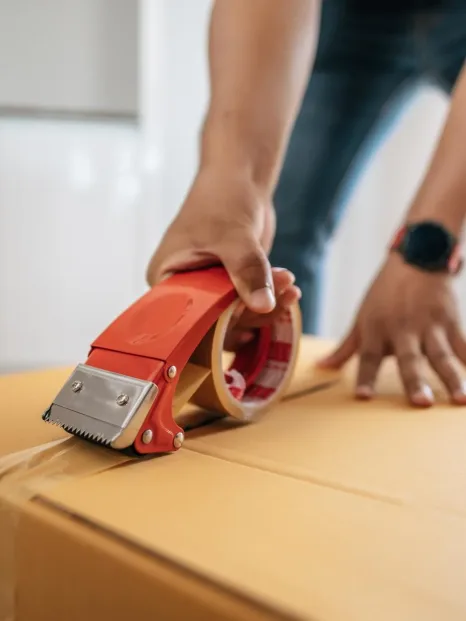
- Quality packing tape and a tape gun - three strips across the bottom of every box.
- A thick marker for "Fragile", "This Side Up", and the destination room.
Dishes and glassware
Plates travel safest on their edge, like records in a crate, never stacked flat. Wrap each plate in two or three sheets of paper, stand it up in the box, and fill every gap so nothing can shift when the box tilts.
Glasses and stemware go into dish-pack boxes with cell dividers, rim down, each one wrapped and the inside stuffed with paper. Put the heaviest pieces at the bottom, the lightest at the top, and finish with a layer of crumpled paper before you close the flaps.
Pro tip: do the shake test
Close the box and give it a gentle shake before you tape it. If you can hear or feel anything move, open it again and add paper until it is silent. A box that rattles in your hands will rattle for every kilometre of the move.
Lamps, mirrors, and framed art
Take lampshades off and pack them on their own, nested inside each other with paper between them. Remove bulbs, wrap the base in bubble wrap, and tape the cord to the base so it does not tangle or catch.
Mirrors and framed art need a stiff outer layer. Tape an X across the glass to hold the pieces if it ever cracks, add cardboard corners, wrap the whole piece in bubble wrap, and stand it upright in a picture box. Never lay glass flat under other boxes.
Electronics
Original boxes with their foam inserts are still the best protection for TVs, monitors, and speakers. If they are gone, wrap the screen in a soft blanket, then bubble wrap, and keep the unit upright. Photograph the cables at the back before you unplug anything, and bag the cords and remotes with the device they belong to.

Label it, then tell your movers
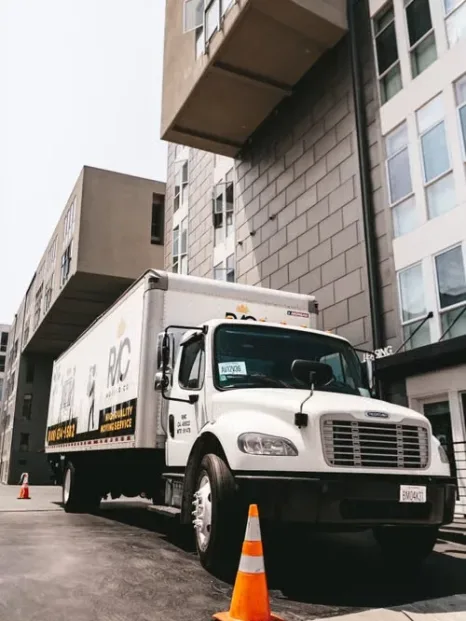
Mark every fragile box on the top and two sides, and write the room it is going to. On moving day, walk the lead mover through the fragile boxes before loading starts so they go on the truck last and come off first.
Short on time or not sure about a valuable piece? Our crews can pack only the fragile rooms - the kitchen, the china cabinet, the art - while you handle the rest. Ask for it when you request your quote.